The jerboa is one of the most fascinating small mammals of the Sahara Desert. With its powerful hind legs, long tail, and incredible ability to move across the sand, this tiny desert survivor is perfectly adapted to life in one of the harshest environments on Earth.
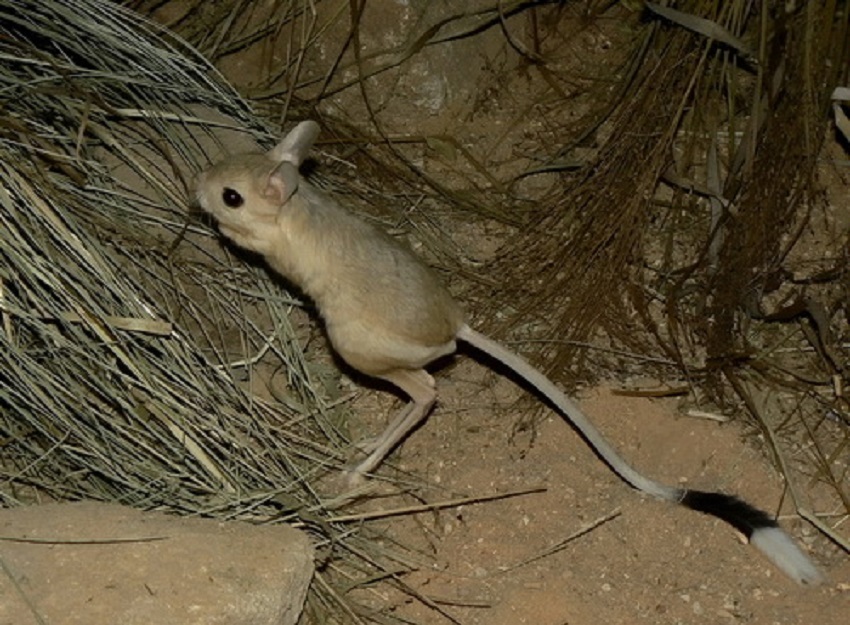
Jerboas are mostly active at night, when temperatures are cooler. They spend the day sheltered from the extreme desert heat and come out after sunset to search for food.
Their long hind legs allow them to make impressive jumps across the sand, helping them escape predators and move quickly between dunes.
Jerboa Tracks in the Sahara
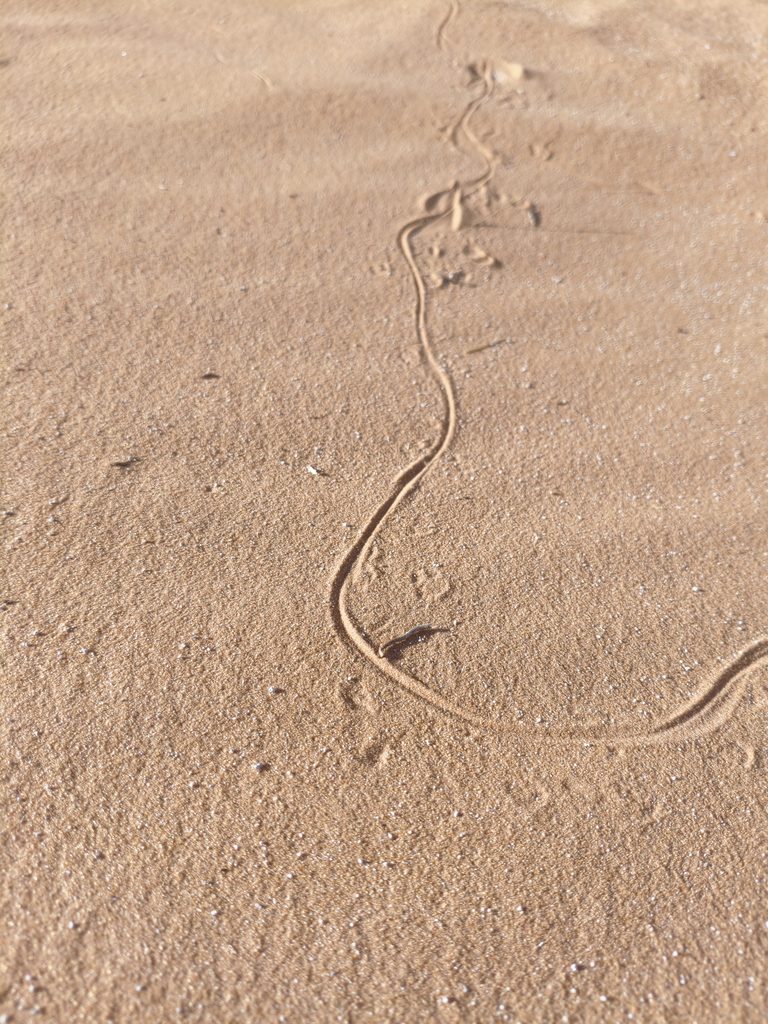
The tracks left by a jerboa can sometimes be found in the soft desert sand. These small footprints can reveal where this nocturnal animal has been moving during the night.
A Hidden Life in the Desert
Although jerboas are small and difficult to spot, they are an important part of the Sahara ecosystem. Observing their tracks and nighttime activity gives us a glimpse into the hidden wildlife of the desert.
Does the Jerboa Drink Water Like Other Animals?
Does the Jerboa Drink Water Like Other Animals?
How does the jerboa survive in the harsh and dry environment of the Sahara Desert? And does this tiny desert rodent drink water when it becomes available?
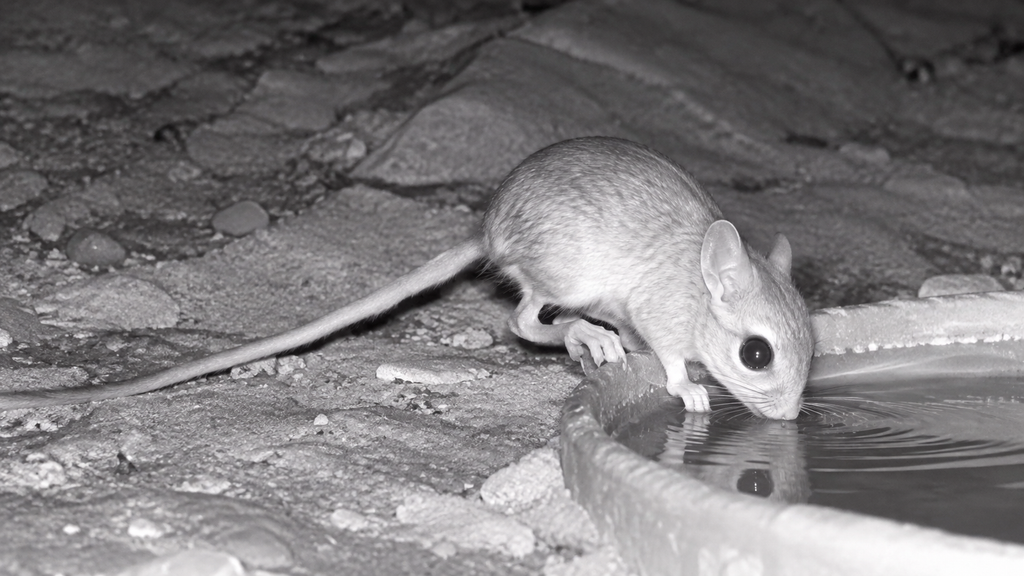
For a long time, desert animals have fascinated us with their ability to survive in environments where water is scarce. The jerboa is a small rodent known for its long hind legs, remarkable jumping ability, and adaptation to desert life. But how does it behave when it encounters a source of water?
Using our trail camera in the Algerian Sahara, we captured footage that allowed us to observe this behavior directly. Our camera recorded a jerboa approaching a water source and drinking when water was available. What made this observation particularly interesting was that the animal appeared to drink a considerable amount of water rather than taking only a few quick sips.
This footage provides a fascinating glimpse into the behavior of a small desert animal that is rarely observed up close in its natural environment. Although many desert rodents can obtain some of their water from food and have adaptations that help them conserve moisture, our recording demonstrates that the jerboa we observed did drink directly from an available water source.
At Explore Sahara, we use camera traps to document wildlife behavior in the Algerian desert, allowing us to observe moments that might otherwise go unnoticed. By recording these encounters in their natural setting, we hope to share a better understanding of the remarkable animals that inhabit the Sahara.
Watch the footage and discover what our camera revealed about the jerboa and its drinking behavior.
Leave a Reply