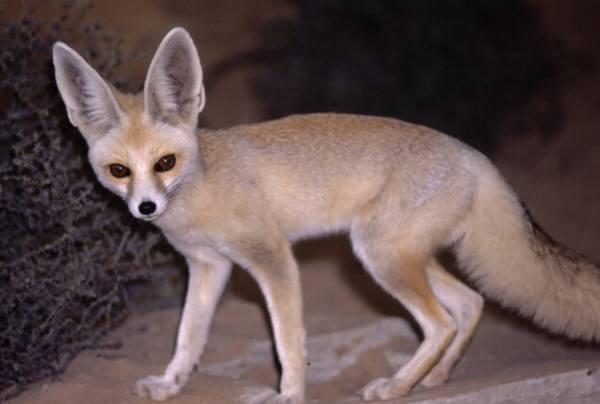
The fennec fox (Vulpes zerda) is one of the most fascinating animals of the Sahara Desert. This small desert fox is famous for its unusually large ears, sandy-colored coat, and remarkable ability to survive in hot and dry environments.
Found across parts of the Sahara and other arid regions of North Africa, the fennec fox is highly adapted to desert life. It is mainly active at night, when temperatures are lower, and spends much of the hottest part of the day sheltered in its underground den.
In this article, we explore the fennec fox, its habitat, diet, behavior, and the adaptations that allow this remarkable animal to live in one of the world’s harshest environments.
Where Does the Fennec Fox Live?
Fennec foxes are native to the deserts and arid regions of North Africa. They are strongly associated with sandy and dry environments, including areas of the Sahara Desert where desert grasses and light vegetation provide food and shelter.
The species occurs across a broad region of North Africa and parts of the Middle East. The central Sahara is an important part of its known range.
Fennec foxes live in underground dens, which provide protection from extreme temperatures and help them avoid the hottest conditions during the day.
How Does the Fennec Fox Survive in the Desert?
The fennec fox has several adaptations that help it survive in the Sahara. Its large ears help release heat and also provide excellent hearing, allowing it to detect small prey underground or beneath the sand.
Its thick fur helps protect the animal from the intense desert environment, while fur on the soles of its feet helps protect them from hot sand and provides traction on loose surfaces.
The fennec fox is also mainly nocturnal. By becoming active after sunset, it can avoid much of the extreme heat of the daytime and search for food when desert temperatures are lower.
What Does the Fennec Fox Eat?
The fennec fox is an omnivorous and opportunistic feeder. Its diet can include insects, small rodents, lizards, birds, eggs, and other small animals that are available in its desert habitat.
Fennecs also consume plant material when it is available. Much of their food is obtained by searching and digging in the sand, allowing them to find prey that may be hidden beneath the surface.
Their flexible diet is an important advantage in the Sahara, where food and water can be limited and conditions change throughout the year.
Fennec Fox Behavior and Activity
Fennec foxes are mostly nocturnal, which means they are most active after sunset and during the cooler hours of the night. This behavior helps them reduce exposure to the extreme heat of the Sahara during the day.
They are generally cautious animals and spend much of their time searching for food, exploring their surroundings, and resting inside or near their dens. Their large ears also give them an excellent sense of hearing, which can help them detect sounds made by prey.
Fennec foxes can live alone or in small family groups, and their behavior can vary depending on food availability and local conditions.
Fennec Fox at Night
The Sahara changes dramatically after sunset, and nighttime is when the fennec fox becomes most active. Cooler temperatures allow it to leave its den and search for food across the desert.
Its large ears are especially useful at night, helping the fennec detect faint sounds from insects and small animals. Its excellent hearing, combined with its ability to move quietly across sandy terrain, makes it a highly effective nocturnal hunter.
Wildlife cameras placed in suitable desert habitats can sometimes capture fennec foxes moving through the darkness as they explore their surroundings and search for food.
Conclusion
The fennec fox is a remarkable example of how wildlife can adapt to life in one of the world’s most challenging environments. Its large ears, nocturnal lifestyle, specialized feet, and flexible diet all help it survive the heat and limited resources of the Sahara Desert.
Although small in size, the fennec fox plays an important role in the desert ecosystem. Learning about this unique animal helps us better understand the rich wildlife of the Sahara and the importance of protecting its natural habitats.
Discover the Best Trail Camera for Wildlife Observation

Leave a Reply