Category: Wildlife

  • Desert Beetle: Why Does This Insect Play Dead?

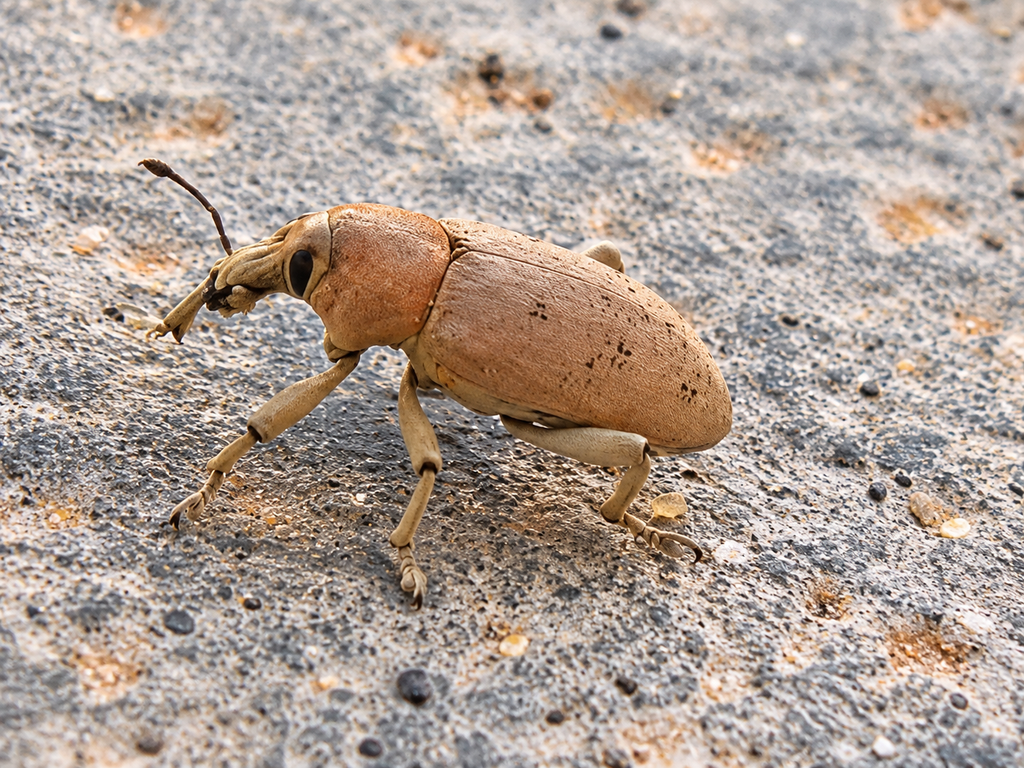
    A desert beetle playing dead is a fascinating behavior to observe in the Algerian Sahara. During our field exploration, we observed an unusual insect that turned onto its back and remained completely motionless when approached. We documented this behavior during our exploration, although the insect’s exact species has not yet been confirmed.

    A Close Encounter in the Algerian Sahara

    While exploring the desert, we came across a small insect on the ground. We carefully observed its movements and behavior through our field observations.
    When we approached, the insect turned onto its back and stopped moving. It remained motionless for a period of time, appearing almost lifeless.
    This was a fascinating moment because it allowed us to observe a defensive behavior directly in the insect’s natural environment.

    Why Do Some Insects Pretend to Be Dead?
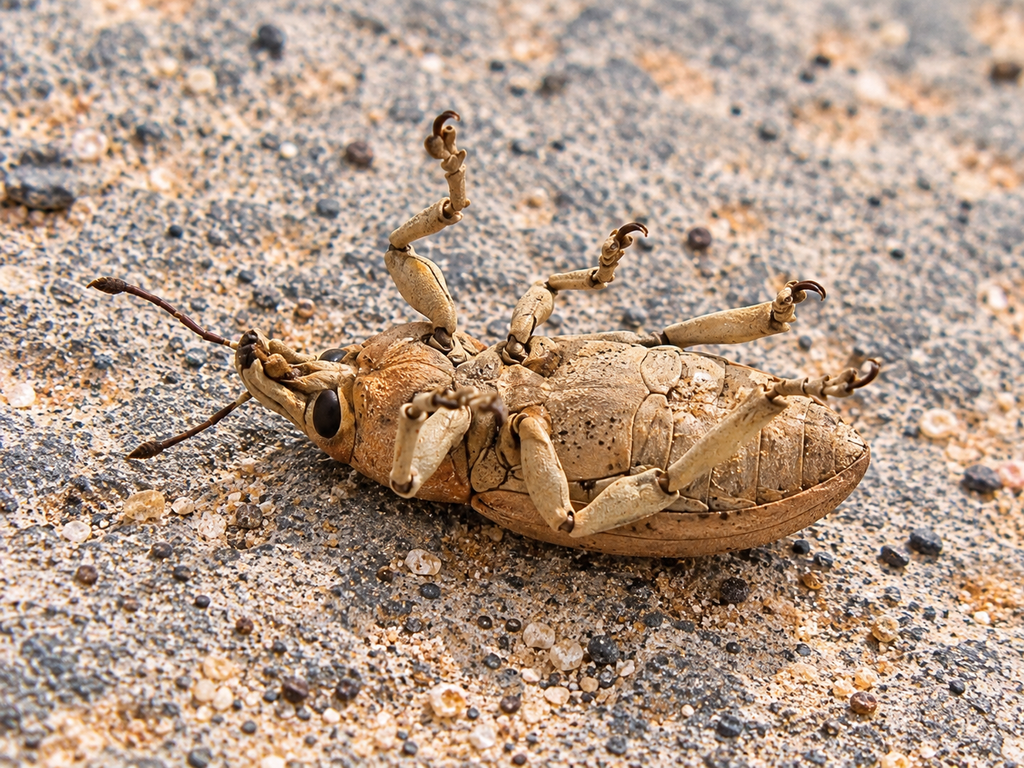
    Observing a desert beetle playing dead raises interesting questions about how insects respond to potential threats in the Sahara.

    Some insects use a defensive behavior known as thanatosis, or playing dead. When they perceive a threat, they become motionless, sometimes turning onto their backs or pulling their legs close to their bodies.
    This behavior may confuse predators that prefer to attack moving prey. In some situations, remaining still can give an insect a chance to avoid being noticed or attacked.
    However, not every motionless insect is necessarily pretending to be dead. Some insects may stop moving because they are frightened, disturbed, injured, or responding to other environmental conditions.

    In our observation, the insect’s behavior was consistent with a possible defensive response, although further observations would be needed to determine exactly why it behaved this way.

    How Do Insects Survive in the Sahara?

    Life in the Sahara presents major challenges for small animals. High temperatures, limited water, and changing environmental conditions make survival difficult.
    Many desert insects have developed adaptations that help them cope with these conditions. Depending on the species, these adaptations may include:
    Avoiding extreme heat: Some insects are active during cooler periods of the day or at night.
    Reducing water loss: Certain species have body coverings that help limit moisture loss.
    Using natural shelter: Rocks, sand, and small crevices can provide protection from heat and predators.
    Defensive behavior: Some insects remain still, hide, or use other strategies when threatened.

    These adaptations vary between species. Without confirming the exact identity of the insect we observed, we cannot determine which specific survival strategies it uses.

    Our Field Observation: A Desert Insect That Stopped Moving

    One of the most interesting aspects of exploring wildlife is discovering behaviors that are easy to overlook.
    During our encounter in the Algerian Sahara, we observed the insect turn onto its back and remain completely still when approached. This observation gave us an opportunity to document a potentially interesting defensive response in a natural setting.
    Although the behavior resembled playing dead, we cannot yet confirm the exact mechanism involved or identify the insect’s species with certainty.

    We believe that direct field observations can help reveal details about desert wildlife that deserve further investigation. By documenting these encounters, we hope to contribute to a better understanding of the small creatures living in the Sahara.

    Why Are Desert Insects Worth Studying?

    Insects play important roles in desert ecosystems. Depending on the species, they may contribute to decomposition, nutrient cycling, pollination, and the food web that supports other desert animals.
    Studying their behavior also helps us understand how living organisms respond to predators and environmental challenges.
    Even a brief encounter with a small insect can raise valuable scientific questions. What species is it? Why did it turn onto its back? Was it responding to a potential predator, or was another factor involved?
    Answering these questions requires careful observation and, when possible, expert identification.

    Conclusion

    The Algerian Sahara holds many wildlife discoveries, including the fascinating behaviors of its smallest inhabitants.
    During our field exploration, we observed an insect that turned onto its back and remained motionless when approached. This behavior may have been a defensive response similar to playing dead, a strategy used by some insects to avoid predators.
    However, identifying the insect and observing it under different conditions would help us understand its behavior more accurately.
    At Explore Sahara, we document wildlife encounters from the Algerian desert to share these observations with people interested in nature and the hidden life of the Sahara.
    Explore more wildlife discoveries from the Algerian Sahara and follow our field observations as we uncover the secrets of this remarkable ecosystem.

  • Jumping Spiders of the Sahara: Hunting, Eyes, Habitat and Reproduction

    Jumping Spiders of the Sahara are fascinating predators known for their excellent eyesight, remarkable jumping abilities, and unique hunting techniques. The Algerian Sahara is home to a variety of small creatures, including spiders that have adapted to life in challenging desert environments.
    Jumping spiders belong to the family Salticidae, one of the largest spider families in the world. They are especially famous for their excellent eyesight, active hunting style, and impressive jumping abilities.

    What Is a Jumping Spider?

    Jumping spiders are small arachnids recognized by their compact bodies, agile movements, and distinctive forward-facing eyes. Unlike insects, spiders have eight legs and two main body sections.
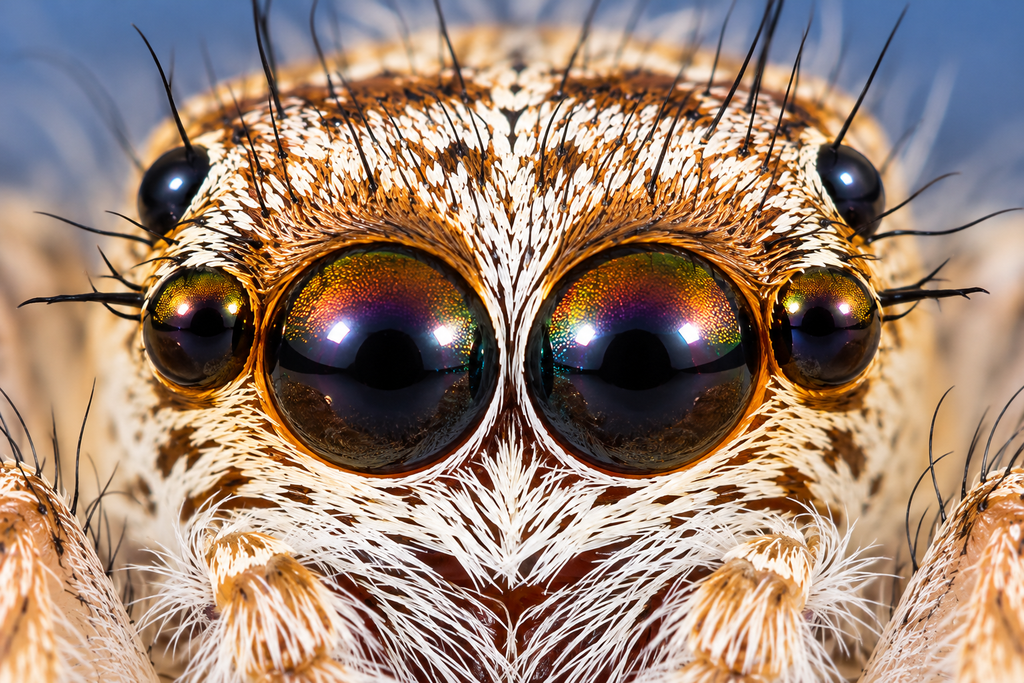
    Their large front eyes give them an expressive appearance and help them examine objects, detect prey, and recognize potential mates.
    Scientists have documented numerous jumping spider species in Algeria, including species recorded in Biskra and Touggourt. However, identifying an individual spider to its exact species requires sufficiently detailed photographs or a specialist examination.

    Where Do Jumping Spiders Live?

    Jumping spiders inhabit a wide range of environments, including grasslands, rocky areas, shrubs, trees, gardens, and dry landscapes. Different species occupy different habitats, depending on their ecological needs.
    In desert environments, suitable hiding places can include stones, cracks, dry vegetation, and sheltered surfaces. These places may provide protection from predators and extreme environmental conditions.
    The Sahara contains diverse microhabitats, and its small wildlife is adapted to life under demanding conditions. The exact habitat preferences of an individual jumping spider depend on its species.

    What Do Jumping Spiders Eat?

    Jumping spiders are active predators. Their diet commonly includes small insects and other tiny arthropods.
    Depending on their size and species, they may hunt flies, mosquitoes, small moths, ants, and other spiders.
    Rather than relying on a sticky web to catch prey, most jumping spiders use their eyesight to locate a target. They approach carefully, judge the distance, and leap onto their prey when the moment is right.
    After capturing prey, the spider uses its mouthparts and digestive fluids to consume the animal’s soft tissues.
    This hunting strategy makes jumping spiders useful predators in many ecosystems, where they help regulate populations of small invertebrates.

    Why Are Their Eyes So Special?

    One of the most remarkable features of jumping spiders is their vision.
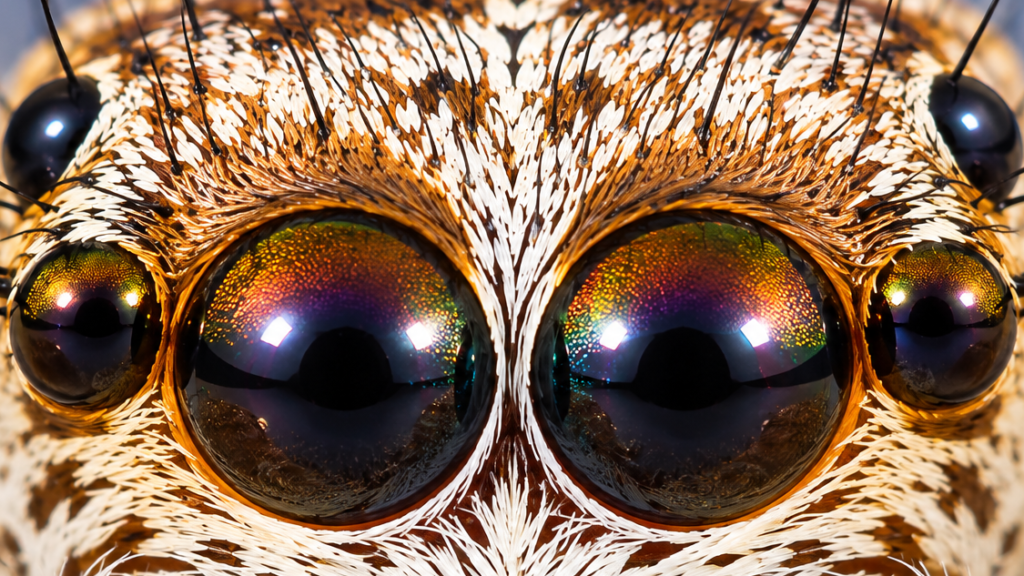
    They have four pairs of eyes, with the large central pair at the front providing particularly detailed vision. The other eyes help detect movement and expand their field of view.
    Jumping spiders use their eyesight to locate prey, navigate their surroundings, and respond to other spiders.
    Their visual abilities are also important during courtship. Males of many species perform carefully coordinated movements that allow females to recognize and evaluate potential mates.
    These adaptations make jumping spiders some of the most visually capable hunters among spiders.

    How Do Jumping Spiders Jump?

    Jumping spiders can make rapid, controlled leaps to capture prey or escape danger.

    Before a jump, a spider often attaches a silk safety line to the surface beneath it. This line can help prevent a dangerous fall if the jump fails.

    Their ability to judge distances accurately is closely connected to their excellent eyesight.

    Unlike animals that depend mainly on speed or traps, jumping spiders combine visual information, careful movement, and sudden acceleration to catch prey.

    How Do Jumping Spiders Mate?

    Reproduction in jumping spiders involves distinctive courtship behaviour.

    When a male encounters a female, he may move his front legs, change his body position, or perform a visual display. These movements differ between species and help communicate that he is a potential mate rather than prey or a threat.

    If the female accepts the male, mating can take place. The male transfers sperm using specialized structures on his pedipalps.

    After mating, the female lays eggs inside a protective silk retreat or egg sac. In many species, she guards the eggs while they develop.

    When the eggs hatch, the young spiders eventually leave their shelter and begin hunting small prey themselves. The details of courtship, egg production, and parental care vary among species.

    How Do Jumping Spiders Survive in Hot Environments?

    Life in arid environments presents several challenges, including high temperatures, limited moisture, and changing food availability.

    Small spiders can use sheltered spaces to avoid direct sunlight and reduce exposure to harsh conditions. Their behaviour and activity patterns help them make use of suitable periods for hunting.

    However, not all jumping spiders share the same adaptations. Their ability to tolerate heat and dry conditions depends on their species and the local environment.

    Are Jumping Spiders Dangerous to Humans?

    Jumping spiders are not generally considered dangerous to humans. They are small hunters that normally focus on tiny prey and tend to avoid larger animals.

    Like other spiders, they may bite if handled or trapped against the skin, but bites are uncommon. It is best to observe wild spiders without touching or disturbing them.

    Their ecological role as predators makes them an interesting part of the natural world

    Discover the Hidden Wildlife of the Sahara

    A close-up photograph can reveal details that are difficult to notice with the naked eye. The eyes, fine hairs, and body structure of a tiny spider offer a glimpse into the complexity of desert wildlife.

    Exploring the Sahara means looking beyond its vast dunes and discovering the small animals that survive among its rocks, sand, and vegetation.

    At Explore Sahara, we document the wildlife and natural wonders of the Algerian desert, bringing these often-overlooked creatures closer to curious nature lovers around the world.

  • Desert Eagle in the Sahara

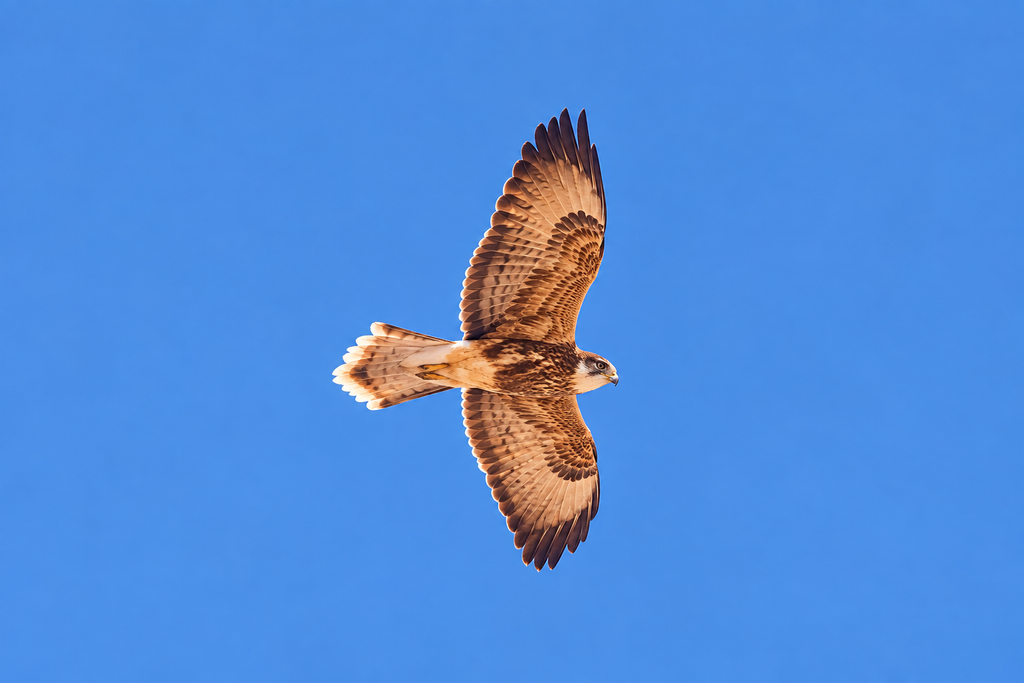
    Our camera captured a Desert Eagle soaring high above the Sahara, gliding silently across the clear blue sky. This powerful bird of prey is a remarkable sight in the desert, using its broad wings to ride the warm air currents as it searches the landscape below.

    A Powerful Bird of Prey

    The Desert Eagle is a large and powerful bird of prey known for its excellent vision, strong talons, and impressive flying ability. It can cover large distances while searching for prey across open desert landscapes.

    What Does the Desert Eagle Eat?

    Its diet can include small mammals, birds, reptiles, and other animals that it can catch. Its sharp eyesight helps it spot potential prey from high above the ground.

    Life in the Sahara

    The vast and open landscapes of the Sahara provide plenty of space for large birds of prey to fly and hunt. Seeing one soaring overhead is a special moment for anyone exploring the desert.

    This Desert Eagle was captured by our wildlife camera in the Sahara. We will continue documenting the wildlife around us and sharing these encounters with you.

  • Desert Crow — The Intelligent Bird of the Sahara

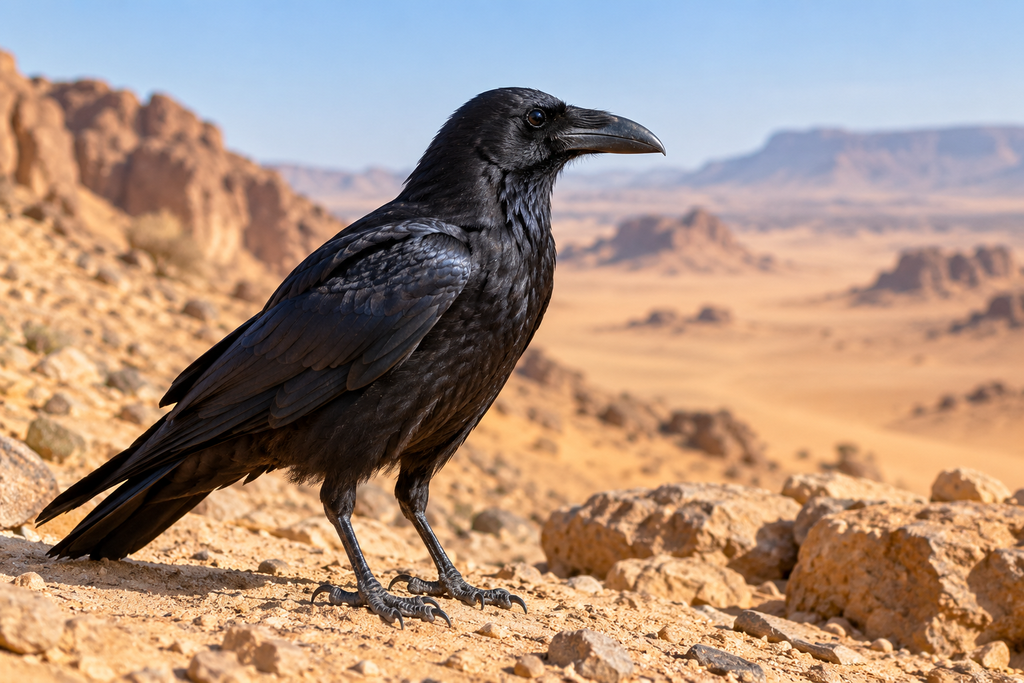
    The Desert Crow is one of the fascinating birds that can be found across the Sahara Desert. During our own observations and wildlife camera recordings, we noticed something particularly interesting: in our experience, the Desert Crow appeared to be more intelligent and cautious than we initially expected.
    This is our own observation from the field and should not be considered a scientific study. However, the behavior we recorded made us curious to learn more about this remarkable desert bird

    A Bird Built for the Desert

    Life in the Sahara is not easy. Extreme heat, limited water, strong winds, and a shortage of food make survival challenging for many animals. The Desert Crow is well adapted to these conditions and can move across large areas in search of food and water.
    Its dark plumage and strong body make it easy to recognize against the bright desert landscape. Like other members of the crow and raven family, it is an alert bird that spends much of its time watching its surroundings.

    Why We Think the Desert Crow Is So Intelligent

    One of the most interesting things we noticed while observing the Desert Crow was its cautious behavior.
    It does not always approach something unfamiliar immediately. Instead, it may keep its distance, observe the area, and wait before getting closer. This type of behavior can make the bird appear extremely careful and intelligent.
    Crows and ravens are widely known for their problem-solving abilities, memory, learning skills, and ability to adapt to changing environments. Our own observations in the Sahara made us appreciate these characteristics even more.

    Mutual Preening in Crows: Strengthening Their Bond

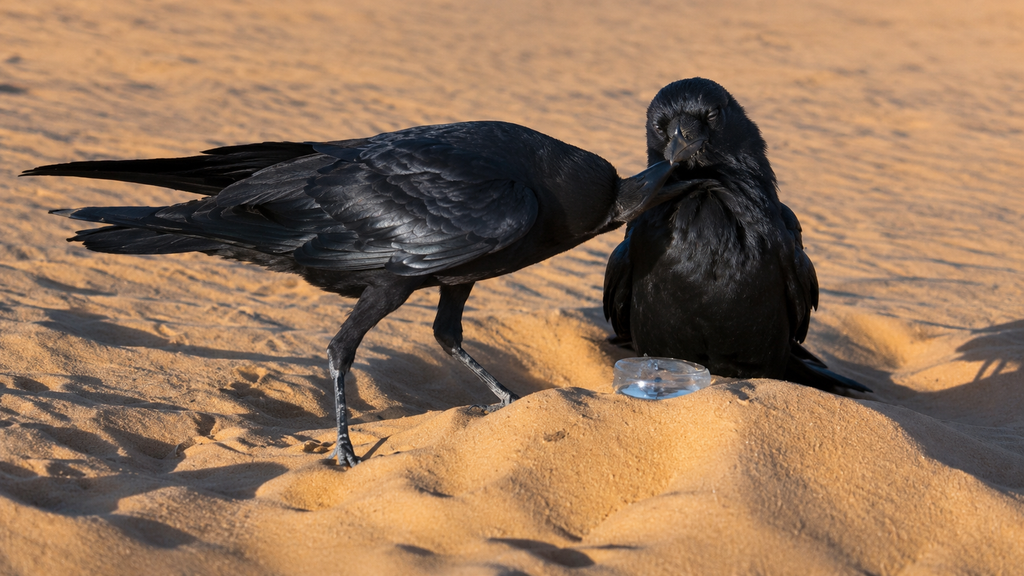
    Crows sometimes groom one another by carefully cleaning their feathers, a behavior known as allopreening. This social behavior can help maintain feather condition, remove parasites from hard-to-reach areas, and strengthen social bonds between birds.

    This intimate interaction is an important part of crow social life, reflecting cooperation and close social relationships.

    What Does the Desert Crow Eat?

    The Desert Crow is an opportunistic feeder. This means it can take advantage of different food sources available in its environment.
    Its diet can include insects, small animals, carrion, seeds, fruits, and food remains. This flexible diet is especially useful in the Sahara, where food availability can change depending on the season and location.
    Being able to use different food sources gives the bird an important advantage in such a difficult environment.

    The Desert Crow and Other Desert Animals

    The Sahara is home to many remarkable animals, from small desert rodents to foxes and reptiles. Birds such as the Desert Crow play an important role in this ecosystem.
    By feeding on different types of food and sometimes consuming remains left by other animals, the crow participates in the natural cycle of the desert.
    Its presence is also a reminder that even the harshest landscapes can support highly adaptable wildlife.

    Our Wildlife Camera Observation

    Our Desert Crow footage was recorded in the Sahara as part of our ongoing wildlife observations.
    We use a wildlife camera to capture animals without disturbing them. This allows us to observe natural behavior that can be difficult to see when humans are nearby.
    The Desert Crow quickly became one of the birds that caught our attention because of its alert behavior and the way it appeared to carefully examine its surroundings.
    For us, this is what makes wildlife photography and camera trapping so interesting: sometimes a simple recording can reveal behavior that we did not expect.

    A Clever Survivor of the Sahara

    The Desert Crow may look like an ordinary black bird at first, but spending time observing it reveals a much more interesting animal.
    Its adaptability, caution, flexible diet, and ability to live in difficult environments make it a successful survivor of the Sahara.
    Based on our own observations, we believe the Desert Crow deserves much more attention. Its behavior suggests that there is still a lot to discover about the intelligence and adaptability of desert wildlife.

    Discover More About Sahara Wildlife

    The Desert Crow is only one of the many animals we are documenting in the Sahara.
    At Explore Sahara, we are continuing to record wildlife using our camera and share what we discover about the animals living in this extraordinary environment.
    From the Fennec Fox and Jerboa to desert birds and other wildlife, every recording gives us another glimpse into the hidden life of the Sahara.
  • Camel — A Desert Survivor

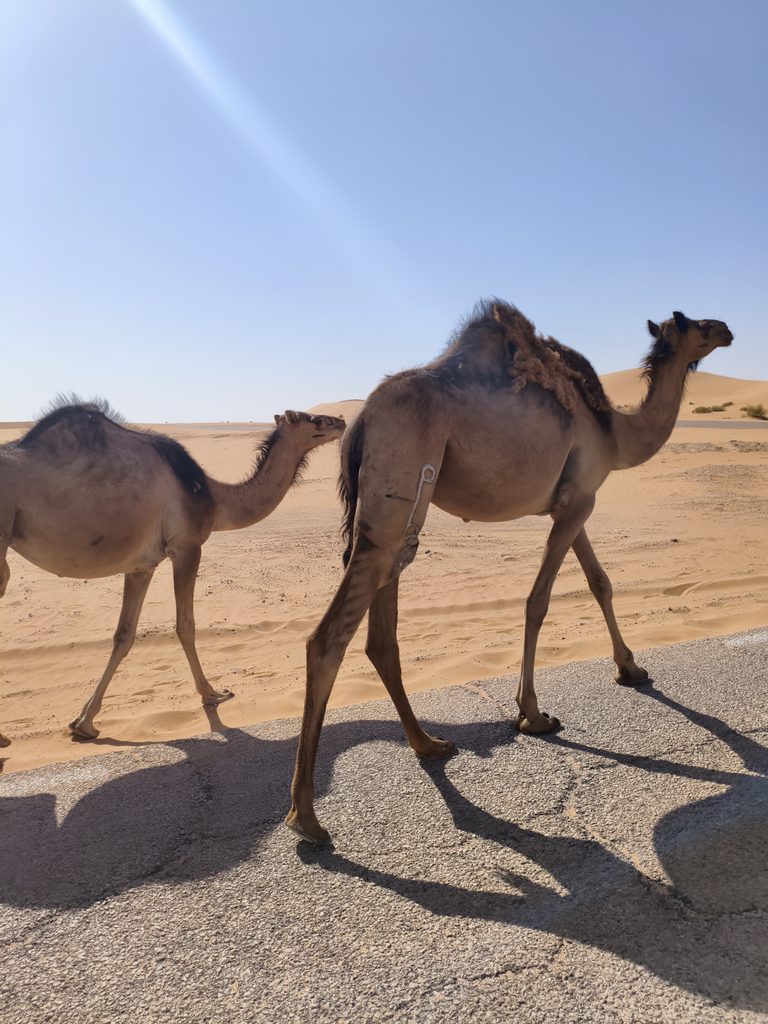
    The camel in the Sahara is one of the most iconic animals of the desert. Built to survive extreme heat and dry conditions, camels can travel long distances and remain strong in one of the harshest environments on Earth.

    How Camels Survive in the Sahara

    Camels are specially adapted to desert life. Their bodies can handle high temperatures, their wide feet help them walk on soft sand, and their ability to conserve water allows them to survive in harsh and dry environments.

    Camels and Life in the Sahara

    For generations, camels have been essential to people living in the Sahara. They have been used for transportation, carrying goods, and traveling across vast desert landscapes where other animals and vehicles can struggle.

    The Camel in the Sahara Today

    Today, camels can still be seen across many parts of the Sahara. They remain an important part of desert culture and are also a fascinating symbol of how animals can adapt to one of the harshest environments on Earth.

    A True Desert Survivor

    The camel is a remarkable survivor of the Sahara. Its strength, endurance, and unique adaptations make it one of the most fascinating animals of the desert.

    Why Camels Are Built for the Desert

    Camels have several features that help them survive in the desert. Their long legs keep their bodies away from the hot ground, while their wide feet help them move across loose sand. Their thick coats also provide protection from the intense desert sun.

    What Do Camels Eat in the Sahara?

    Camels can feed on tough desert plants that many other animals cannot eat. They browse on grasses, shrubs, dry leaves, and thorny plants, allowing them to find food even in the dry conditions of the Sahara.

    Camel Behavior in the Desert

    Camels are calm and patient animals, but they are well suited to the challenges of desert life. They can travel across large areas in search of food and water and can remain active during hot conditions. Their endurance allows them to move through the Sahara while carrying people or supplies.

    Camel Tracks Across the Sahara

    Camel tracks can often be found in the sand around desert routes and watering areas. These tracks are a reminder of how camels have traveled across the Sahara for generations, moving between distant places in search of food, water, and shelter.

    Why Camels Are Important to the Sahara

    Camels remain an important part of life in the Sahara. They have helped people travel across difficult desert landscapes and carry goods over long distances. Today, they are also an important symbol of desert culture and the remarkable ability of animals to adapt to extreme environments.

    Camels and Desert Travel

    Camels are well suited for long journeys through the Sahara. Their strength and endurance allow them to travel across sandy terrain for many hours. In the past, camel caravans connected distant desert communities and carried food, water, and other goods across routes that were difficult to cross.

    Camels in the Algerian Sahara

    In the Algerian Sahara, camels are part of the landscape and desert heritage. Seeing a camel crossing the open dunes is a reminder of the close relationship between people, animals, and the vast desert environment.

    Camel Senses and Body Features

    Camels have features that help them deal with sand and strong desert winds. Their long eyelashes and closable nostrils help protect their eyes and nose from blowing sand. Their thick lips allow them to eat thorny plants, while their long neck helps them reach vegetation that grows above the ground.

  • Jerboa — A Small Desert Survivor

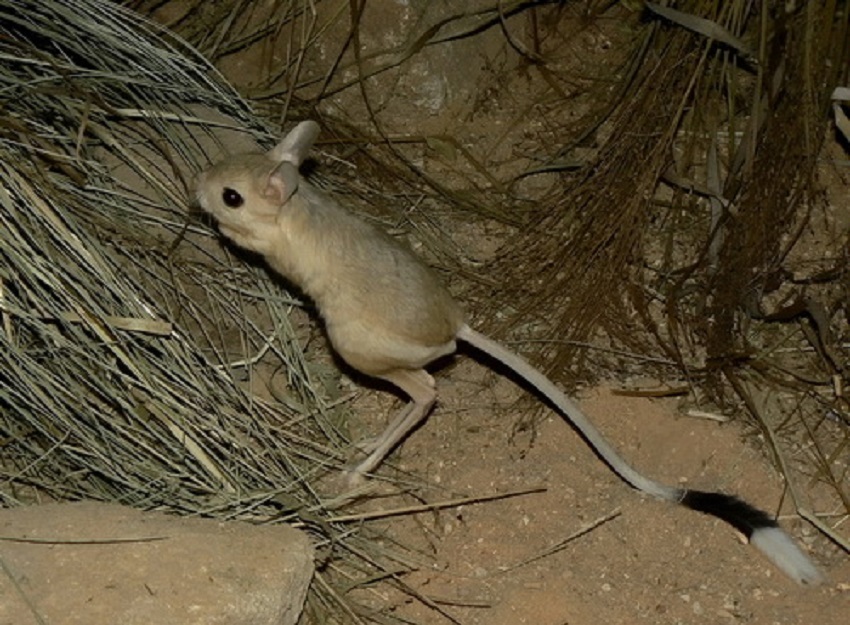
    The jerboa is one of the most fascinating small mammals of the Sahara Desert. With its powerful hind legs, long tail, and incredible ability to move across the sand, this tiny desert survivor is perfectly adapted to life in one of the harshest environments on Earth.

    Jerboas are mostly active at night, when temperatures are cooler. They spend the day sheltered from the extreme desert heat and come out after sunset to search for food.

    Their long hind legs allow them to make impressive jumps across the sand, helping them escape predators and move quickly between dunes.

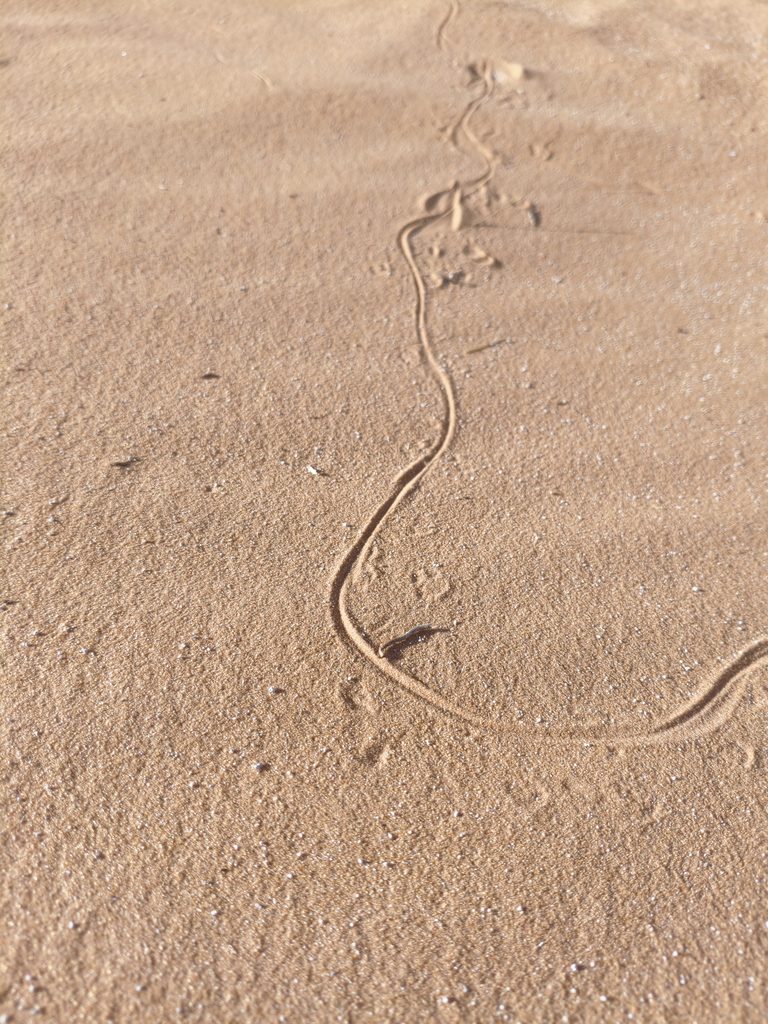
    Jerboa Tracks in the Sahara

    The tracks left by a jerboa can sometimes be found in the soft desert sand. These small footprints can reveal where this nocturnal animal has been moving during the night.

    A Hidden Life in the Desert

    Although jerboas are small and difficult to spot, they are an important part of the Sahara ecosystem. Observing their tracks and nighttime activity gives us a glimpse into the hidden wildlife of the desert.

    Does the Jerboa Drink Water Like Other Animals?

    Does the Jerboa Drink Water Like Other Animals?

    How does the jerboa survive in the harsh and dry environment of the Sahara Desert? And does this tiny desert rodent drink water when it becomes available?

    For a long time, desert animals have fascinated us with their ability to survive in environments where water is scarce. The jerboa is a small rodent known for its long hind legs, remarkable jumping ability, and adaptation to desert life. But how does it behave when it encounters a source of water?

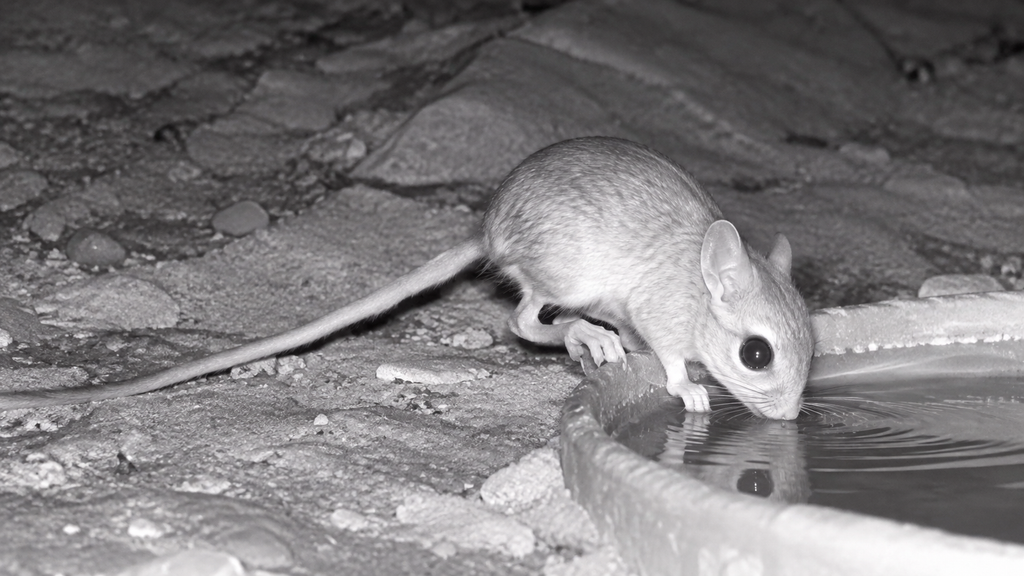
    Using our trail camera in the Algerian Sahara, we captured footage that allowed us to observe this behavior directly. Our camera recorded a jerboa approaching a water source and drinking when water was available. What made this observation particularly interesting was that the animal appeared to drink a considerable amount of water rather than taking only a few quick sips.

    This footage provides a fascinating glimpse into the behavior of a small desert animal that is rarely observed up close in its natural environment. Although many desert rodents can obtain some of their water from food and have adaptations that help them conserve moisture, our recording demonstrates that the jerboa we observed did drink directly from an available water source.

    At Explore Sahara, we use camera traps to document wildlife behavior in the Algerian desert, allowing us to observe moments that might otherwise go unnoticed. By recording these encounters in their natural setting, we hope to share a better understanding of the remarkable animals that inhabit the Sahara.

    Watch the footage and discover what our camera revealed about the jerboa and its drinking behavior.

  • Fennec Fox in the Sahara Desert

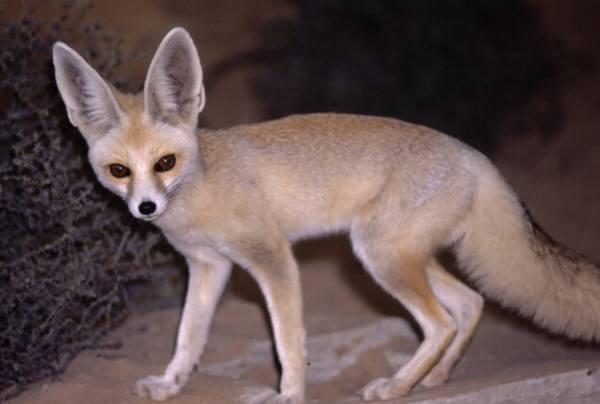
    The fennec fox (Vulpes zerda) is one of the most fascinating animals of the Sahara Desert. This small desert fox is famous for its unusually large ears, sandy-colored coat, and remarkable ability to survive in hot and dry environments.

    Found across parts of the Sahara and other arid regions of North Africa, the fennec fox is highly adapted to desert life. It is mainly active at night, when temperatures are lower, and spends much of the hottest part of the day sheltered in its underground den.

    In this article, we explore the fennec fox, its habitat, diet, behavior, and the adaptations that allow this remarkable animal to live in one of the world’s harshest environments.

    Where Does the Fennec Fox Live?

    Fennec foxes are native to the deserts and arid regions of North Africa. They are strongly associated with sandy and dry environments, including areas of the Sahara Desert where desert grasses and light vegetation provide food and shelter.

    The species occurs across a broad region of North Africa and parts of the Middle East. The central Sahara is an important part of its known range.

    Fennec foxes live in underground dens, which provide protection from extreme temperatures and help them avoid the hottest conditions during the day.

    How Does the Fennec Fox Survive in the Desert?

    The fennec fox has several adaptations that help it survive in the Sahara. Its large ears help release heat and also provide excellent hearing, allowing it to detect small prey underground or beneath the sand.

    Its thick fur helps protect the animal from the intense desert environment, while fur on the soles of its feet helps protect them from hot sand and provides traction on loose surfaces.

    The fennec fox is also mainly nocturnal. By becoming active after sunset, it can avoid much of the extreme heat of the daytime and search for food when desert temperatures are lower.

    What Does the Fennec Fox Eat?

    The fennec fox is an omnivorous and opportunistic feeder. Its diet can include insects, small rodents, lizards, birds, eggs, and other small animals that are available in its desert habitat.

    Fennecs also consume plant material when it is available. Much of their food is obtained by searching and digging in the sand, allowing them to find prey that may be hidden beneath the surface.

    Their flexible diet is an important advantage in the Sahara, where food and water can be limited and conditions change throughout the year.

    Fennec Fox Behavior and Activity

    Fennec foxes are mostly nocturnal, which means they are most active after sunset and during the cooler hours of the night. This behavior helps them reduce exposure to the extreme heat of the Sahara during the day.

    They are generally cautious animals and spend much of their time searching for food, exploring their surroundings, and resting inside or near their dens. Their large ears also give them an excellent sense of hearing, which can help them detect sounds made by prey.

    Fennec foxes can live alone or in small family groups, and their behavior can vary depending on food availability and local conditions.

    Fennec Fox at Night

    The Sahara changes dramatically after sunset, and nighttime is when the fennec fox becomes most active. Cooler temperatures allow it to leave its den and search for food across the desert.

    Its large ears are especially useful at night, helping the fennec detect faint sounds from insects and small animals. Its excellent hearing, combined with its ability to move quietly across sandy terrain, makes it a highly effective nocturnal hunter.

    Wildlife cameras placed in suitable desert habitats can sometimes capture fennec foxes moving through the darkness as they explore their surroundings and search for food.

    Conclusion

    The fennec fox is a remarkable example of how wildlife can adapt to life in one of the world’s most challenging environments. Its large ears, nocturnal lifestyle, specialized feet, and flexible diet all help it survive the heat and limited resources of the Sahara Desert.

    Although small in size, the fennec fox plays an important role in the desert ecosystem. Learning about this unique animal helps us better understand the rich wildlife of the Sahara and the importance of protecting its natural habitats.

    Discover the Best Trail Camera for Wildlife Observation