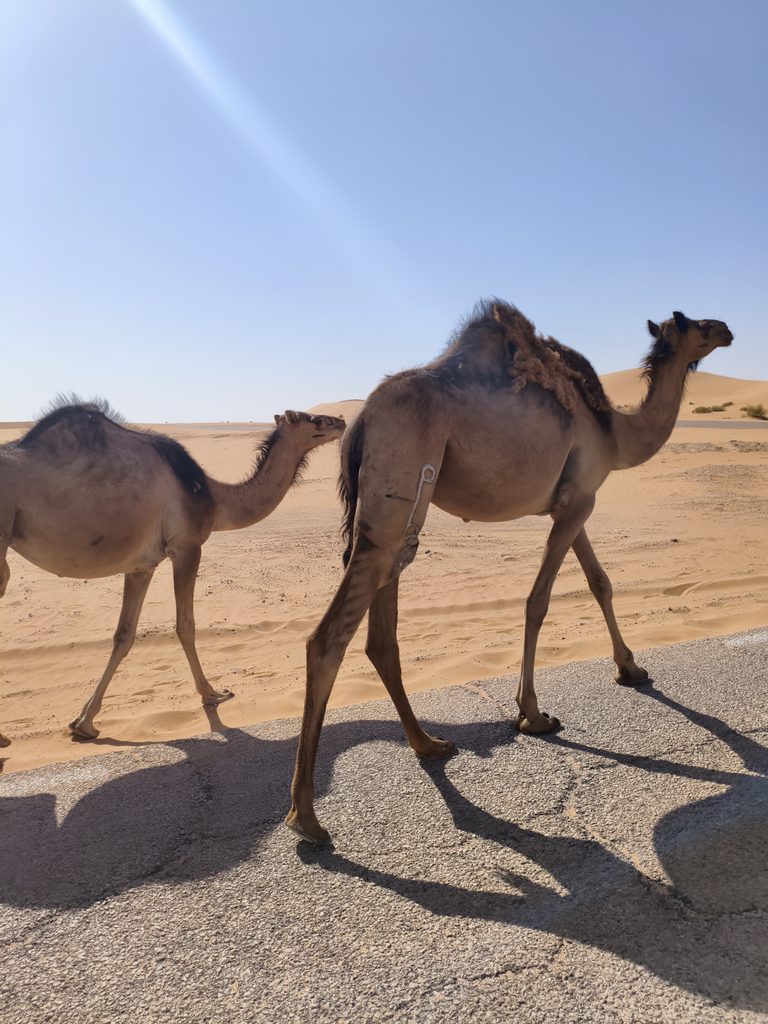
The camel in the Sahara is one of the most iconic animals of the desert. Built to survive extreme heat and dry conditions, camels can travel long distances and remain strong in one of the harshest environments on Earth.
How Camels Survive in the Sahara
Camels are specially adapted to desert life. Their bodies can handle high temperatures, their wide feet help them walk on soft sand, and their ability to conserve water allows them to survive in harsh and dry environments.
Camels and Life in the Sahara
For generations, camels have been essential to people living in the Sahara. They have been used for transportation, carrying goods, and traveling across vast desert landscapes where other animals and vehicles can struggle.
The Camel in the Sahara Today
Today, camels can still be seen across many parts of the Sahara. They remain an important part of desert culture and are also a fascinating symbol of how animals can adapt to one of the harshest environments on Earth.
A True Desert Survivor
The camel is a remarkable survivor of the Sahara. Its strength, endurance, and unique adaptations make it one of the most fascinating animals of the desert.
Why Camels Are Built for the Desert
Camels have several features that help them survive in the desert. Their long legs keep their bodies away from the hot ground, while their wide feet help them move across loose sand. Their thick coats also provide protection from the intense desert sun.
What Do Camels Eat in the Sahara?
Camels can feed on tough desert plants that many other animals cannot eat. They browse on grasses, shrubs, dry leaves, and thorny plants, allowing them to find food even in the dry conditions of the Sahara.
Camel Behavior in the Desert
Camels are calm and patient animals, but they are well suited to the challenges of desert life. They can travel across large areas in search of food and water and can remain active during hot conditions. Their endurance allows them to move through the Sahara while carrying people or supplies.
Camel Tracks Across the Sahara
Camel tracks can often be found in the sand around desert routes and watering areas. These tracks are a reminder of how camels have traveled across the Sahara for generations, moving between distant places in search of food, water, and shelter.
Why Camels Are Important to the Sahara
Camels remain an important part of life in the Sahara. They have helped people travel across difficult desert landscapes and carry goods over long distances. Today, they are also an important symbol of desert culture and the remarkable ability of animals to adapt to extreme environments.
Camels and Desert Travel
Camels are well suited for long journeys through the Sahara. Their strength and endurance allow them to travel across sandy terrain for many hours. In the past, camel caravans connected distant desert communities and carried food, water, and other goods across routes that were difficult to cross.
Camels in the Algerian Sahara
In the Algerian Sahara, camels are part of the landscape and desert heritage. Seeing a camel crossing the open dunes is a reminder of the close relationship between people, animals, and the vast desert environment.
Camel Senses and Body Features
Camels have features that help them deal with sand and strong desert winds. Their long eyelashes and closable nostrils help protect their eyes and nose from blowing sand. Their thick lips allow them to eat thorny plants, while their long neck helps them reach vegetation that grows above the ground.
Leave a Reply