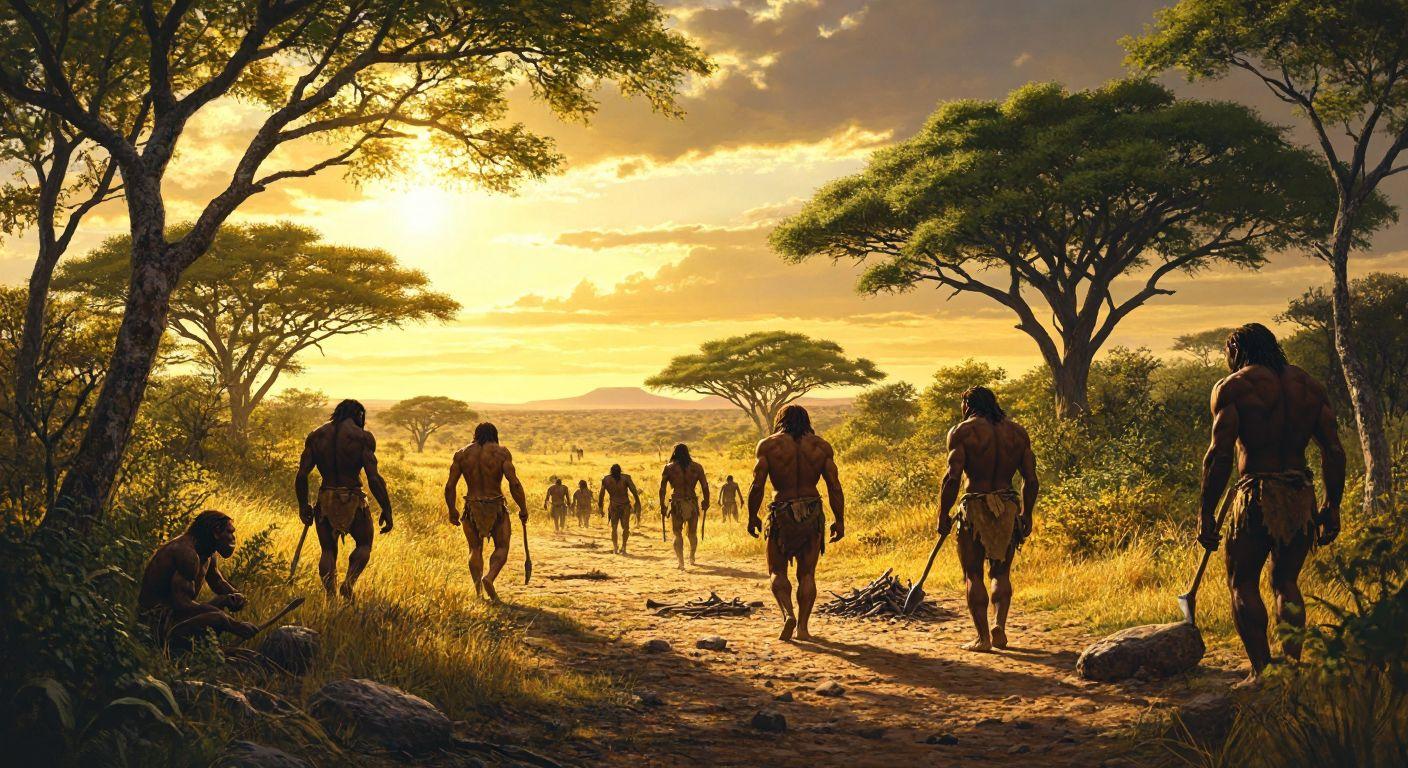
.Human origins in Africa reveal the remarkable story of how modern humans (Homo sapiens) evolved on the African continent approximately 300,000 years ago. Scientific discoveries, ancient fossils, and genetic research provide strong evidence of Africa’s central role in human evolution.
Long before humans spread across the continents, Africa was home to our earliest ancestors. Over millions of years, different human species evolved across the continent, gradually developing new physical characteristics, abilities, and ways of surviving.
The story of humanity did not begin in Europe, Asia, or the Americas. Its deepest roots are African.
From Africa to the Rest of the World
Modern humans eventually began migrating beyond Africa, spreading into Asia, Europe, Australia, and eventually the Americas.
Genetic and archaeological evidence indicates that a major expansion of modern humans outside Africa took place around 60,000–70,000 years ago, although earlier migrations also occurred.
As humans moved into new environments, they encountered different climates, landscapes, and animal species. They adapted to forests, mountains, grasslands, and deserts.
Today, the genetic ancestry of all living human populations can be traced back to ancient populations in Africa.
Humans and Wildlife: An Ancient Connection
Human history has always been connected to the natural world.
For thousands of years, humans and wild animals have shared the same landscapes. Animals have adapted to changing environments, while human activities have influenced wildlife through hunting, settlements, agriculture, and changes to natural habitats.
But how do wild animals behave when humans are nearby? Do they change their movements, feeding habits, or activity patterns in response to human presence?
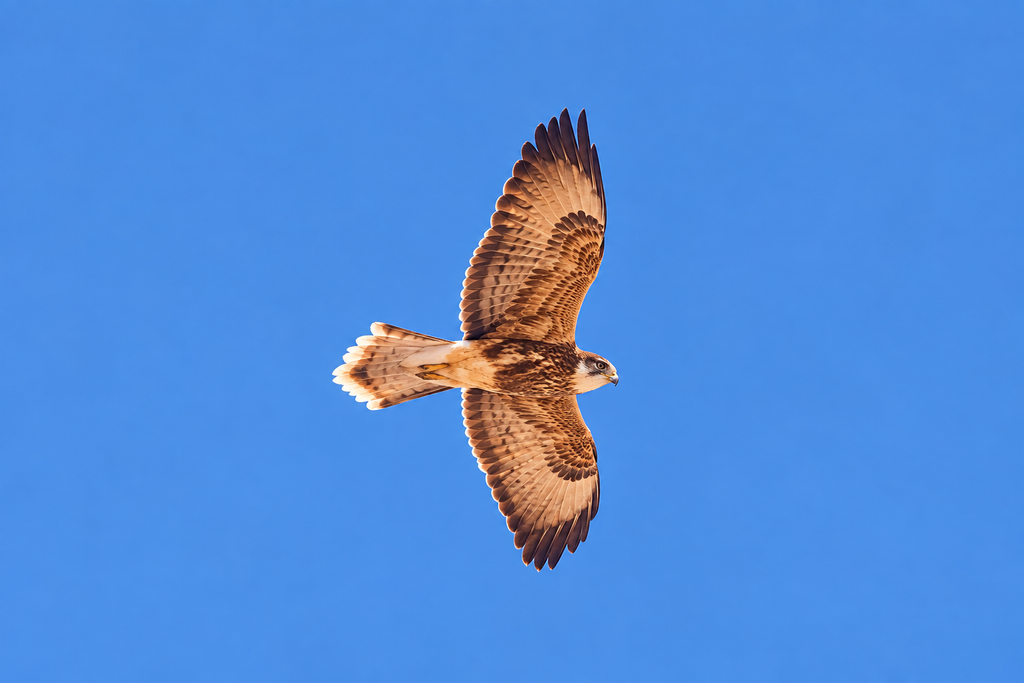
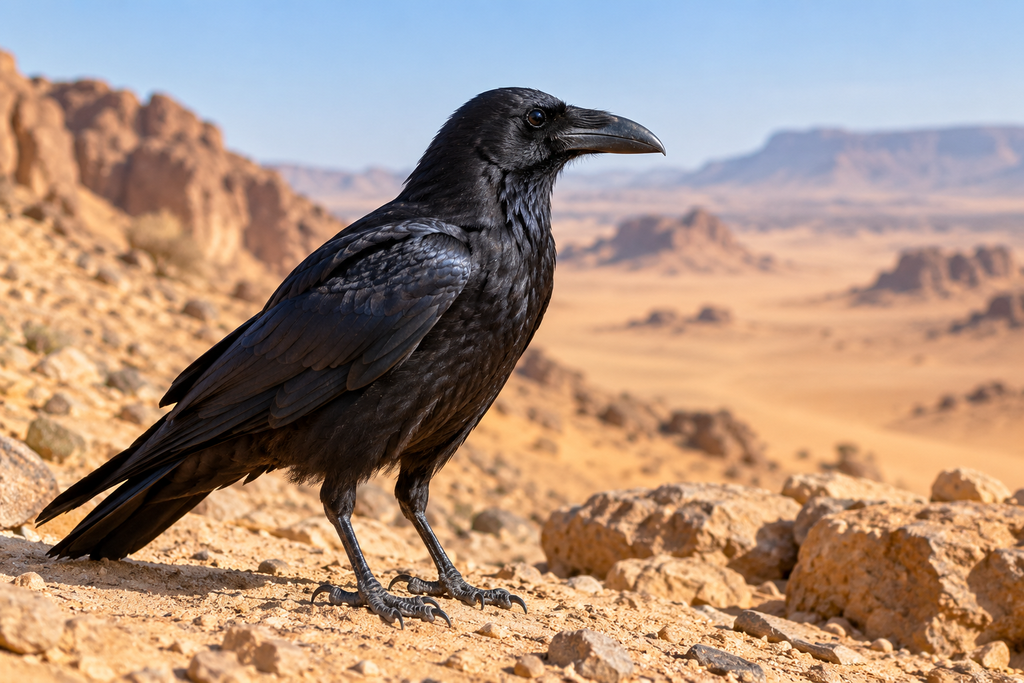
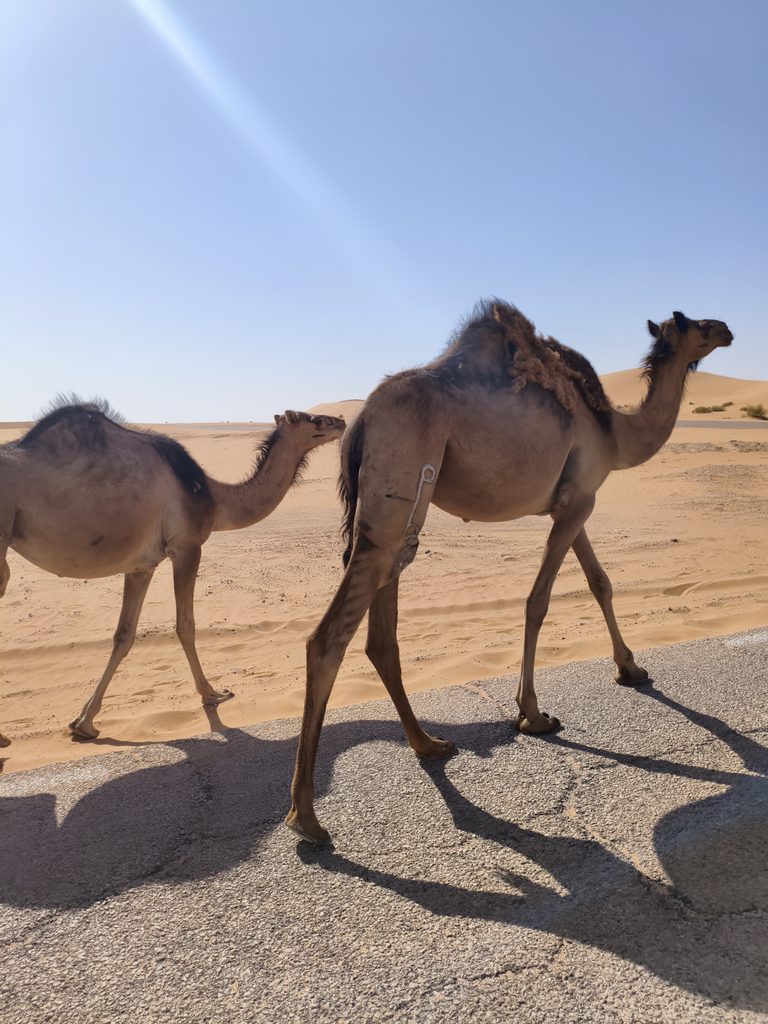
These questions are particularly interesting in the Sahara Desert, where wildlife survives under some of the harshest environmental conditions on Earth.
Exploring the Sahara: Our Field Research
At Explore Sahara, we are taking a closer look at the relationship between wildlife, humans, and the desert environment.
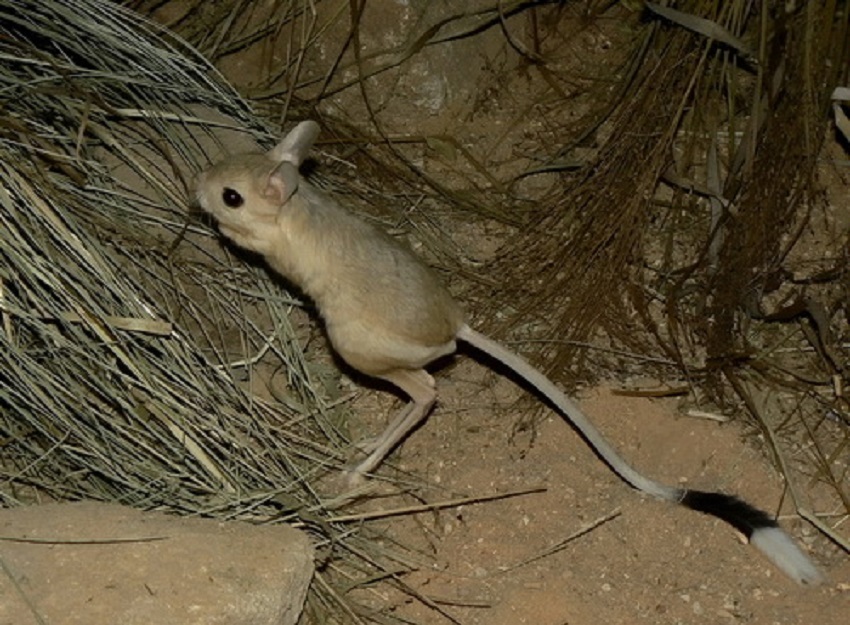
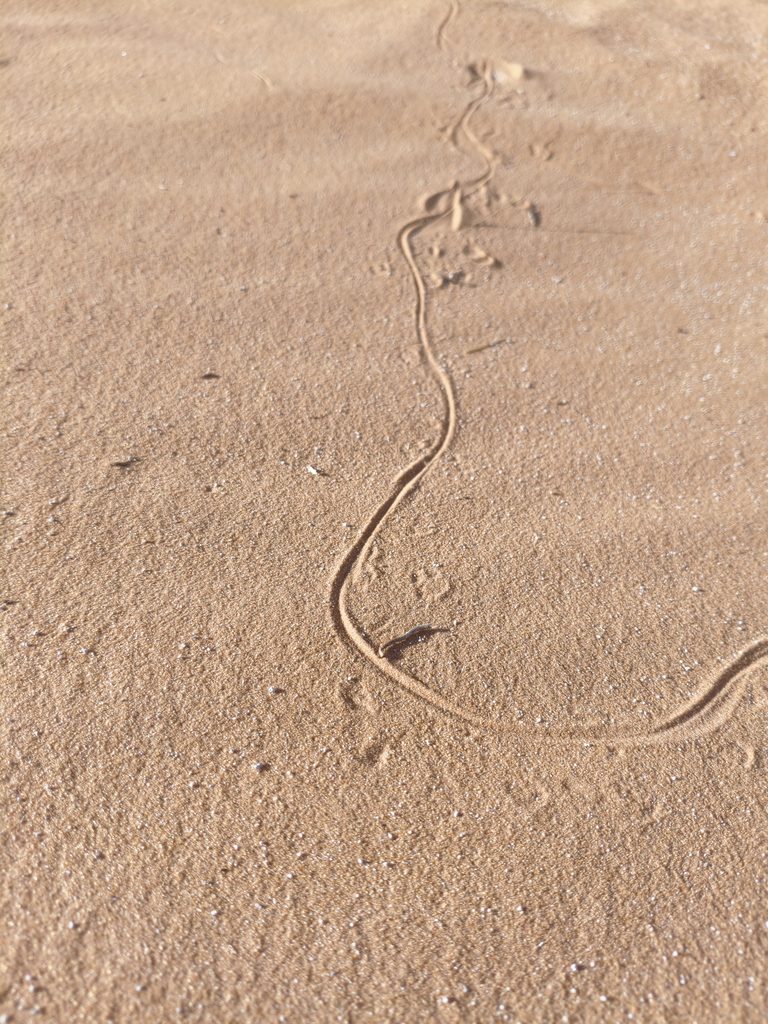
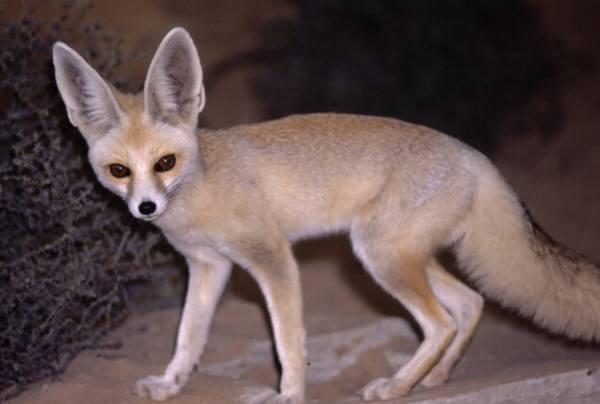
Through field experiments and observations in the Sahara, we aim to study animal behaviour and understand how different species respond to their surroundings and possible human-related influences.
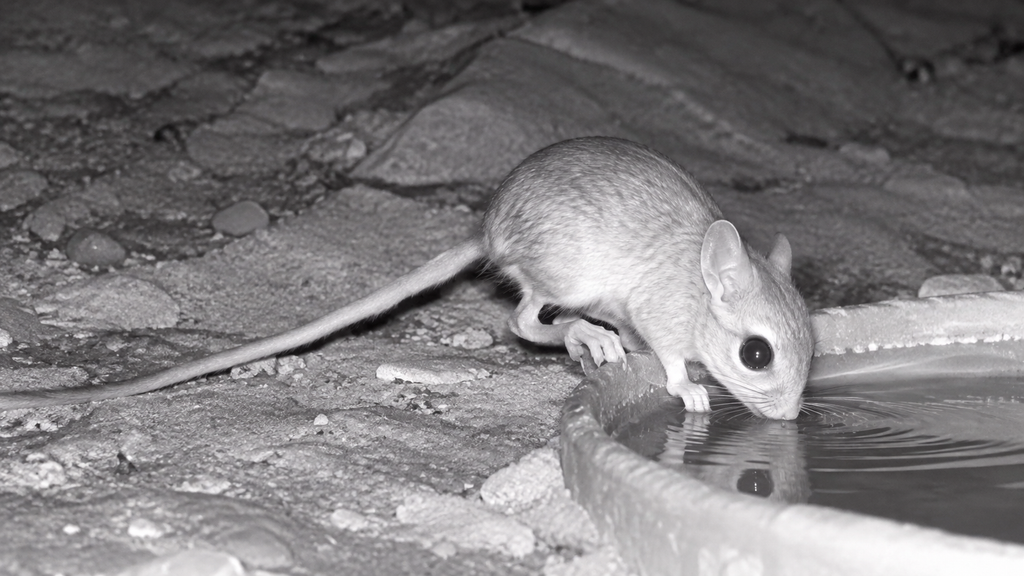
We use wildlife trail cameras to record animals in their natural habitats without needing to be physically present all the time.
These cameras allow us to observe fascinating moments, including:How animals move through their natural territories.
When different species become active.
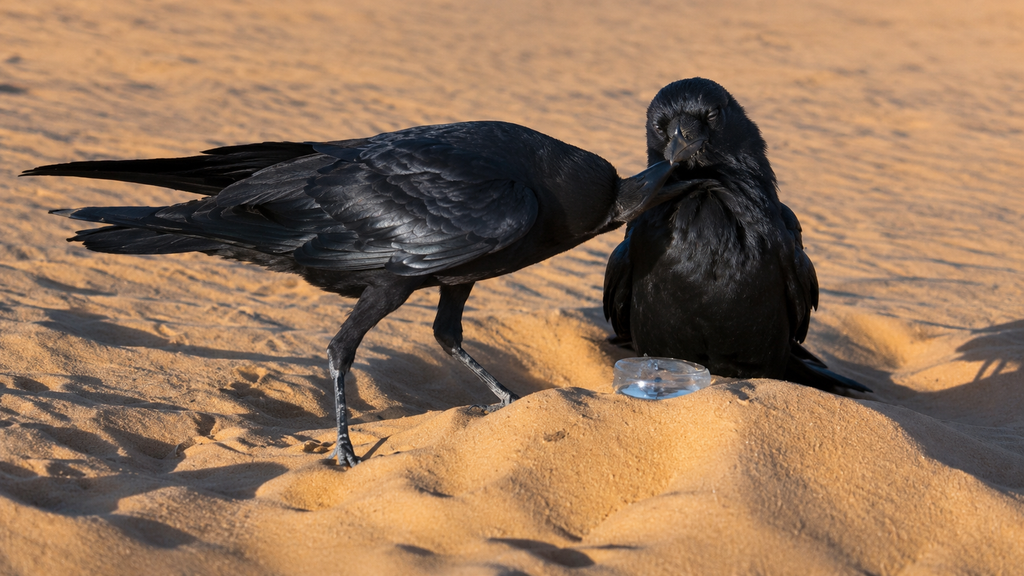
How animals react to unfamiliar objects and environmental changes.
Whether human presence or human-related activity influences their behaviour.
How different species interact with each other around natural resources.
Our observations may help us better understand the relationship between wildlife and human activity in desert ecosystems.
We do not claim to have all the answers. Instead, we document what we observe, conduct experiments, and compare recorded behaviour to develop a better scientific understanding.
Scientific Facts About Human Origins
Here are some important facts supported by scientific research:
1. Modern humans originated in Africa.
Fossils discovered in Morocco, Ethiopia, and other African locations provide important evidence about the early evolution of Homo sapiens.
2. Homo sapiens is approximately 300,000 years old.
Some of the oldest known fossils attributed to our species come from Jebel Irhoud in Morocco.
3. Human migration changed the world.
Over thousands of generations, human populations spread from Africa into almost every major region of the planet.
4. Humans share ancient ancestry.
Genetic studies show that all living humans belong to the same species and share common ancestry.
5. Humans and wildlife have influenced each other.
The relationship between humans and animals has changed throughout history, influencing ecosystems, animal behaviour, and human survival.
Discover the Story of Africa
Africa is more than a continent. It is a place of extraordinary biodiversity, ancient history, and scientific discoveries.
From the earliest human ancestors to the wildlife that still survives in the Sahara, there are countless stories waiting to be explored.
At Explore Sahara, our mission is to document these stories through wildlife observations, camera recordings, field experiments, and scientific curiosity.
Explore the Sahara. Discover Wildlife. Understand Our Origins.